
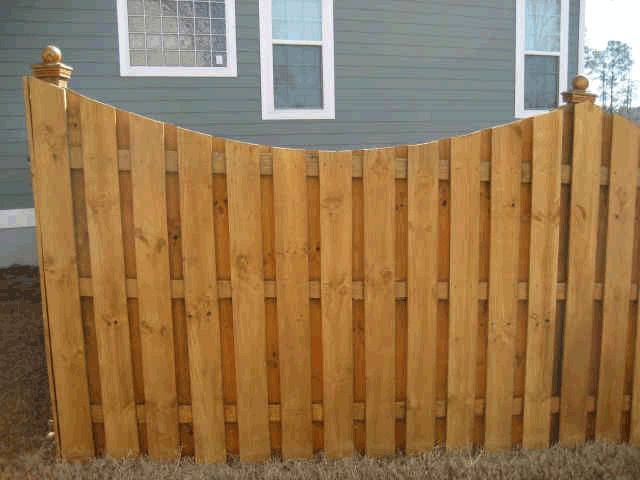
Dealing with Fence Rot? 5 Steps for Restoration and Repair
There’s nothing more beautiful and functional than a well-crafted wooden fence. Unfortunately, exposure to the elements can sometimes cause parts of your fence to rot.
How should you approach this if it happens to you? Here are five steps to help guide you through handling fence rot while also keeping your fence looking its best for years to come.
1. Assess the Damage
Before you start thinking about repairs, assess the extent of the fence’s rot. Check each section of your fence thoroughly. Pay particular attention to areas where wood meets the ground. This is where water tends to pool, often the culprit of fence rot.
You can use a screwdriver or other tool to poke the wood; if it feels too soft or even starts to crumble, you’re probably dealing with rot.
Even a small amount of rot can become a massive issue if not addressed promptly. The sooner you tackle the problem, the less expensive the repairs will be. It also prevents the rot from spreading.
Rot can compromise an entire section of your fence and potentially even cause it to collapse. You can avoid both by assessing the damage early and contacting a professional for replacements or repairs.
2. Remove the Rotten Wood
Now that you know where the rot is, it’s time to get rid of it. Leaving even a tiny bit of rot can lead to further decay, even after you’ve had repairs done. You can use a tool, like a chisel or saw, to carefully cut away any damaged wood.
If you’re concerned you might damage the fence further, you can always leave this part to fence experts when calling for repairs.
Professional fence repair is also practical here because it ensures the thorough removal of the rot. It can also make sure any hidden rot below the wood is handled correctly.
A fence repair specialist will likely cut beyond the rot into the healthy wood to mitigate the chances of rot coming back in the future, but this makes the repair efforts more difficult. You can still handle it yourself, but you’re less likely to see another instance of fence rot if you hire someone who knows exactly how much wood to take out.
3. Treat the Remaining Wood
Your next step should be treating the rest of the fence to prevent future rot. Use a wood preservative on the area you’ve cleaned. This will help protect it from fungi, insects, and moisture, which can cause wood decay. Let the preservative dry according to the manufacturer’s instructions before you do anything else.
The wood preservative acts as armor to protect the rest of the wood from the elements. Fortifying your wood before you continue with repairs ensures you won’t have to worry as much about future threats.
You can also use a treatment that’s more specific to your issue. For example, if your fence rot was caused by moisture, you can select protection formulated to protect against moisture more effectively.
4. Call for Repairs
This is the step where you’ll want professional intervention. Depending on the extent of the damage, you may need to replace entire fence sections or just patch up one small area. Either way, a fence professional can help you identify how big the issue is and handle it for you — all in one fell swoop.
Professionals will not only use better quality materials to repair your fence, but they’ll also have the right tools for the job. Remember to talk to them about other ways you can help prevent fence issues, like avoiding rust or corrosion to the fence’s hardware. They can also help with any of the first three steps.
5. Maintain Your Fence
The last step is up to you — keeping up with ongoing maintenance. Make it a priority to inspect your fence regularly for signs of wear and tear. Address any issues promptly. Clean your fence at least once a year to remove dirt and debris.
This quick but necessary maintenance further helps lower the chances of rot, as both can trap moisture. You should even consider applying a fresh paint or stain every few years for even more protection. You can save a lot of time and money with a more proactive approach to your fence’s health!
Professional Fence Services in Georgia
If you want a team that can tackle your fence rot with precision and confidence, you’ll want to work with East Georgia Fence. Contact us today to learn more about the services we provide or to schedule your fence repairs.
A Fenced Yard Guide for Dog Owners
Dog ownership brings many joyful moments with your best friend, but it also comes with a (sometimes surprisingly) large amount of responsibility. It’s up to you to ensure their happiness and safety. A fence is an integral part of this. It allows them to play and explore while preventing them from getting out of the yard.
But if you’re considering new fencing for your furry friend, which makes the most sense? Here’s a handy guide to help you build the most dog-friendly fence possible.
Why a Fenced Yard?
If you’ve ever worried about your dog running into the street or getting lost, you’ve probably thought of installing a fence. It keeps your pet safe, but it also keeps other animals out of your yard, which can further protect your pets.
Fenced yards also make it easier for dogs to run around and get the exercise they need. You want your dog to have the freedom to run and play, not be cooped up all day.
Choosing the Right Fence
Which type of fence is right for you? Let’s review some of the most popular choices and their advantages.
Wooden Fences
Pressure-treated pine fences are a classic choice. They provide unmatched privacy and security while looking great. They’re also sturdy and can be easily customized to any height you’d like, making them an excellent choice for large dogs that could jump over shorter fences.
While wooden fences require regular maintenance to prevent rot and damage, they’re often one of the best options for dog owners wanting something effective and aesthetically pleasing.
Chain-Link Fences
A chain-link fence is ideal for those who want something relatively low-cost. It can provide a clear view of everything surrounding the yard, which could be suitable for some dogs (but not all — those that get stressed when they see people or other dogs walking by probably won’t react as well to a chain-link fence).
These fences don’t offer much privacy, but they are still very durable, especially for the price.
Vinyl Fences
A vinyl fence is perfect for the dog owner who doesn’t want to bother with too much maintenance. It can often look similar to wood without any of the upkeep. Vinyl is resistant to pests and rot, but these benefits frequently come with a higher ticket price.
Even though it’s more expensive initially, many homeowners see this as a long-lasting solution for keeping their furriest family members safe.
Fence Safety Considerations for Dog Owners
Now that you know what kind of fence you want, the next step is to have a proper installation. This ensures the fence serves its purpose effectively. Here are a few things to consider.
Gates and Latches
Make sure any gates have latches that work and are well-secured. More intelligent dogs can figure out how to open a gate if it’s too easy for them, so you may also want to consider adding a lock.
Height
Your fence should be high enough so your dog can’t jump over it. A good rule of thumb is to build yours at least four feet tall for smaller dogs and six feet tall for larger breeds.
Digging
Some dogs absolutely love to dig! Even though it’s fun for them, it can cause problems if they do it around your fencing. Prevent your dog from digging by discussing options with the professional before installation. They may recommend installing the fence a few more inches into the ground so your dog can’t dig a hole and escape.
Materials
You should use high-quality materials to ensure the fence is sturdy. This is even more important for large or strong dogs that might try to force their way through the fence. Going too cheap could cause your fence to become ineffective at keeping your dog safe.
Landscaping
How does your landscape play into your fencing needs? Some elements, like hills, can significantly impact how your fence is installed. This can end up affecting which type of fencing material you should use, where the gate goes, and a lot of other things that can also impact your dog.
Maintenance
Maintaining your fence is vital to keeping your dog safe. Inspect your fence regularly to ensure there aren’t any weak spots or damaged areas. Otherwise, your dog might take advantage of the weakness and break out for a stroll through the neighborhood.
Fence Installation and Other Services in Georgia
A well-installed fence can keep every family member safe — not just your dog! If you’re considering adding a fence to your yard, you can rely on East Georgia Fence to take care of it for you. Contact our team today to learn more about our installation process.