Dog Fences in Augusta, GA

The best dog fence is the one that matches your dog, your yard, and the way your family uses the property. We install dog-friendly fence systems throughout Augusta and the CSRA, including privacy, chain link, vinyl, and ornamental aluminum options designed around containment, visibility, maintenance, and budget.

What Type of Fence Is Best for a Dog?

There is no single material that works for every dog. A calm small dog may be comfortable behind a lower ornamental fence with narrow picket spacing. A large jumper, a dog that reacts to passersby, or a determined escape artist may do better behind a solid 6-foot privacy fence. We look at behavior as closely as breed or size.

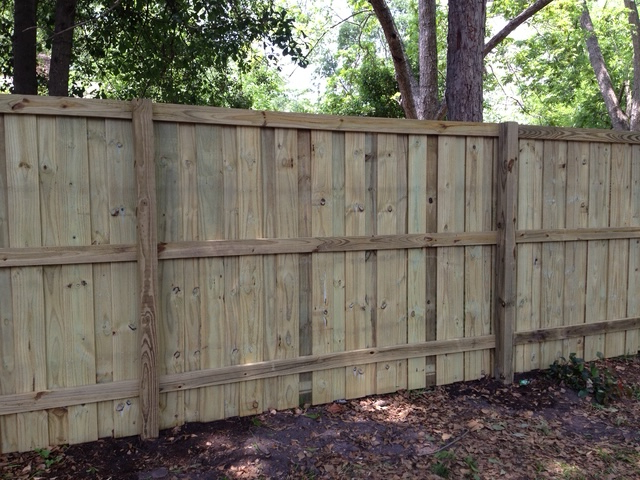
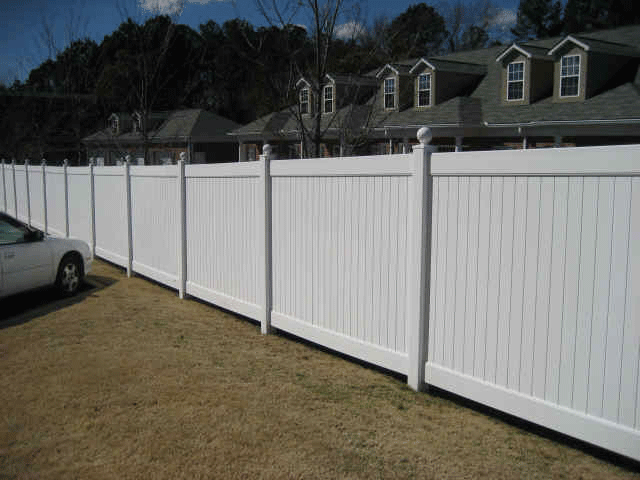
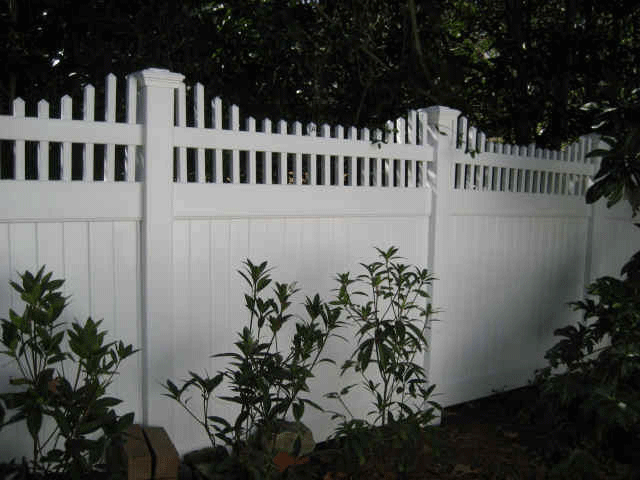
Wood or vinyl privacy fencing

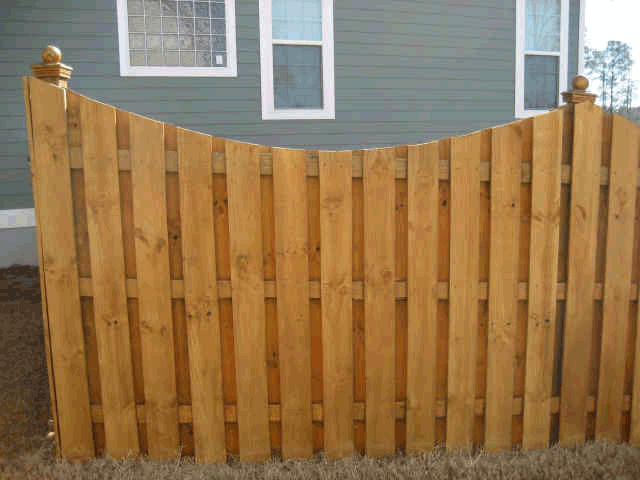
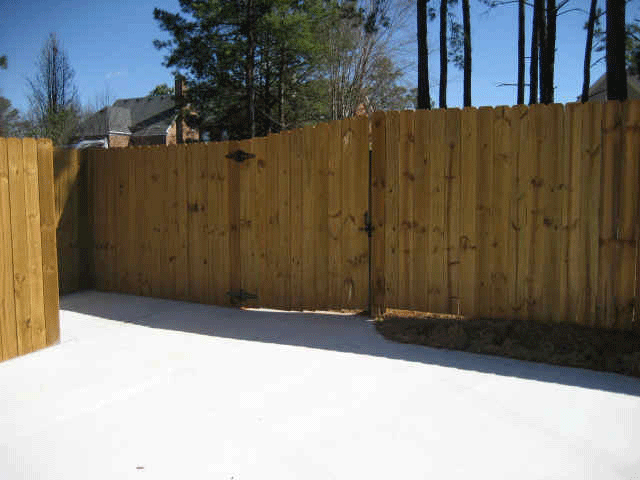
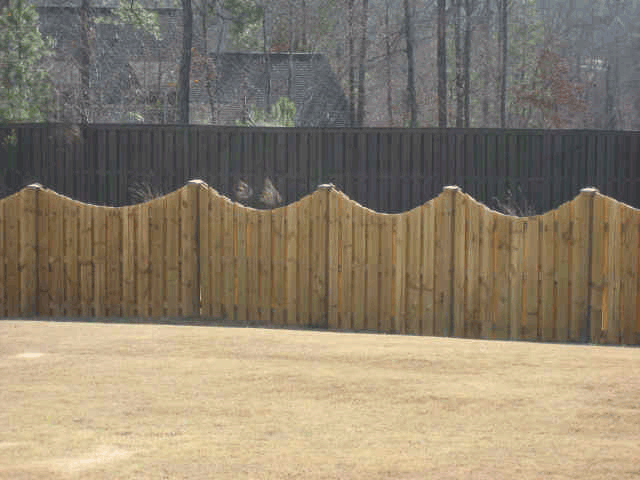
A solid privacy fence blocks the visual triggers that can lead to barking, charging, or pacing along the property line. Six feet is by far the most common privacy-fence height we install. Wood offers a classic appearance and flexible styles, while vinyl provides a clean look with less routine maintenance. Both can create a comfortable enclosed yard for dogs and families.

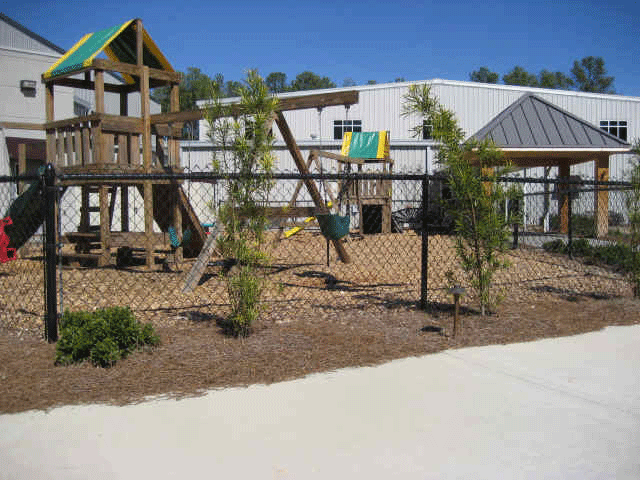
Chain link fencing

Chain link fencing is durable, economical, and easy to adapt to dog runs or larger yard enclosures. It preserves visibility and airflow, which some dogs enjoy, and its height, gauge, coating, and gate placement can be selected for the property. Privacy slats are an option when you want to reduce sightlines without changing to a solid fence.

Ornamental aluminum fencing

Aluminum fencing gives a yard an open, polished appearance while creating a physical boundary. It can be a good choice for dogs that do not climb or squeeze through openings. Picket spacing deserves particular attention for small dogs, puppies, and homes where neighboring animals come close to the fence line.

How High Should a Dog Fence Be?

Fence height should reflect your dog’s jumping ability, energy, and habits. Four feet can contain many small or calm dogs, but it is not enough for every animal. A 6-foot fence is often the more dependable option for athletic dogs, dogs that climb, and yards beside distractions such as sidewalks, roads, or other pets. Local and HOA rules can limit height or materials, so we verify the property requirements before the project begins.

Height alone does not solve every escape problem. A dog may push at a loose panel, dig at a soft spot, work a gate latch, or use furniture and landscaping as a launch point. We consider the whole enclosure rather than relying on one measurement.

What Helps Prevent Digging and Squeezing Out?

A secure fence begins with consistent contact along the bottom. Grade changes, drainage swales, exposed roots, and uneven yards can create openings that look small to a person but inviting to a dog. During layout, we identify those areas and discuss an installation detail appropriate for the chosen material and site.

  • Keep the bottom line close to grade without blocking drainage
  • Use sturdy bottom rails or tension components appropriate to the fence type
  • Address low spots and washout-prone areas before they become escape routes
  • Choose picket or mesh spacing that fits the smallest dog using the yard
  • Keep climbable objects and stacked materials away from the fence

For dogs with persistent digging behavior, tell us where the problem occurs and what has already been tried. That information helps us plan the fence and point out areas where landscaping or another site-specific measure may also be needed.

Why Do Gates Matter So Much for Dog Fences?

The gate is the part of the enclosure your family uses every day, so it deserves the same attention as the fence. We install fence gates with hardware sized for the frame and intended use. A dog-yard gate should close cleanly, latch reliably, and avoid a bottom gap that becomes an easy exit.

Gate placement also affects daily life. A wide gate may be needed for a mower, trailer, or equipment, while a separate walk gate can make routine access easier. We review the swing path, nearby steps, slopes, and traffic flow so the gate does not become an obstacle.

How Do We Plan a Dog Fence Installation?

Our process starts with an on-site conversation about the dog, the yard, and your priorities. We inspect the proposed line, measure the property, discuss material and height options, and identify gates, utilities, grade changes, and visible problem areas. Once the plan is approved, we install the posts, framework, panels or fabric, and gates, then walk the enclosure with you before the project is finished.

Our broader backyard fence installation service covers privacy, safety, pet containment, pool barriers, and everyday family use. Many projects need to accomplish several of those goals at once, and we can help balance them without overbuilding the yard.

Where Do We Install Dog Fences?

We install residential fencing across Augusta and the CSRA, with a strong concentration in Columbia County. Our primary areas include Evans, Martinez, Grovetown, and Augusta. We also serve surrounding communities in Georgia and South Carolina.


Ready to Get Started?

Tell us about your dog and your property when you request a free estimate. We will walk the fence line with you and recommend a practical height, material, gate layout, and bottom detail.

Frequently Asked Questions: Dog Fences in Augusta, GA

It may be enough for a small or calm dog that does not jump or climb. For athletic, large, or easily distracted dogs, a 6-foot fence is often the safer choice. We recommend height after considering the dog and property.

Yes. Chain link is durable, affordable, and well suited to dog runs and yard enclosures. The correct height, mesh, gauge, bottom detail, and gate hardware matter, especially for strong or small dogs.

A solid wood or vinyl privacy fence can reduce visual stimulation by blocking the view beyond the yard. It will not change every behavior, but it often creates a calmer boundary than an open fence.

It can when the picket spacing is narrow enough for that dog and the bottom clearance is controlled. We measure the relevant openings rather than assuming a standard panel will work for every pet.

Call us or use our online contact form. Tell us the dog’s size, behavior, and any known escape habits so we can make the site visit more useful.