Farm & Ranch Fence Installation in Augusta, GA

Augusta and the surrounding CSRA contain a significant amount of rural, semi-rural, and agricultural land — from horse properties and small farms in Burke and McDuffie counties to large-lot estates and hobby farms closer to the city. Augusta and the surrounding CSRA contain a significant amount of rural, semi-rural, and agricultural land — from horse properties and small farms in Burke and McDuffie counties to large-lot estates and hobby farms closer to the city. We install farm and ranch fencing throughout this region, including Augusta, Martinez, Evans, Grovetown, Thomson, Harlem, Lincolnton, Washington, Waynesboro, Aiken and well beyond. Agricultural and rural fence projects carry their own set of demands — large acreage, uneven terrain, livestock containment, and materials that have to hold up in Georgia’s heat and humidity without constant maintenance. That’s exactly the kind of work we do.

Farm & Ranch Fence Types We Install in Augusta, GA

Every farm, ranch, horse property, and large-lot estate has different needs. We help you select fencing based on the animals being contained, the terrain, the size of the enclosure, visibility needs, and the level of maintenance you want over time.

Split Rail Fencing

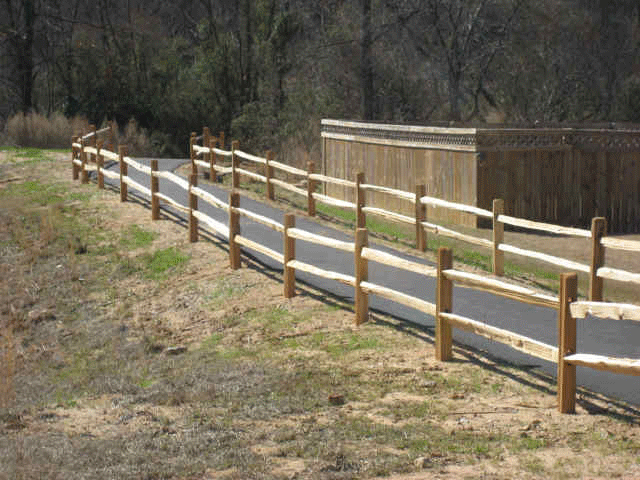
Split rail fences are built with cedar rails and posts, creating the classic rustic look that so many rural properties in the CSRA are known for. Two- or three-rail configurations are ideal for marking property boundaries, defining pasture areas, and adding character along a driveway or entrance. For smaller animal containment, We can pair split rail with woven wire between the rails without losing that open, traditional look.

Horse Rail Fencing

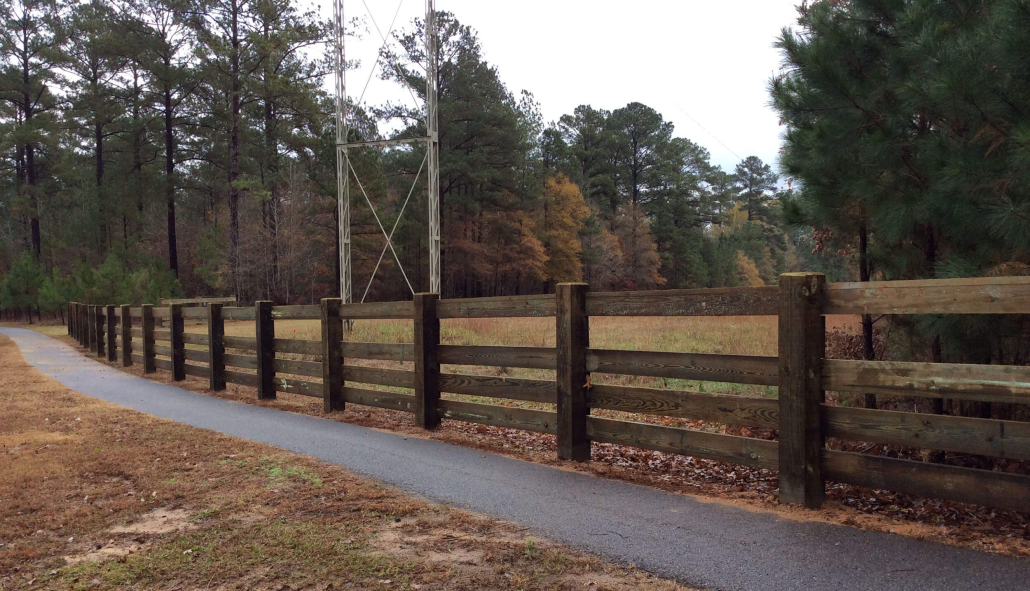
Horse rail fencing is the standard fencing choice for horse properties throughout the CSRA. We install two-, three-, four-, and five-rail configurations, generally ranging from 3 feet to 5.5 feet tall depending on the animals being enclosed and how much visibility You want across the pasture. It’s strong, easy for horses to see (which matters for safety), and creates the traditional equestrian look most horse property owners are after. We build horse rail fencing using pressure-treated lumber for posts and rails, and We can talk through treated or painted options depending on the aesthetic You’re going for.

High-Tensile Wire Fencing

High-tensile wire fencing is one of the most efficient ways to enclose large acreage in Georgia. We typically run this with 2×4 wire or cattle wire, stretched tight between posts so it holds its tension over time without the sagging traditional barbed wire can develop. High-tensile fencing works well for cattle pastures, goat and sheep enclosures, and large-lot property boundaries where running long spans of fence efficiently is the priority.

Barbed Wire Fencing

Barbed wire remains a practical, cost-effective option for cattle pastures and large agricultural properties in the Augusta area. We install barbed wire fencing for farm and ranch applications with proper post spacing and tensioning to help the fence stay effective over time. For large cattle operations, it remains one of the most reliable containment solutions available.

Woven Wire and No-Climb Horse Fence

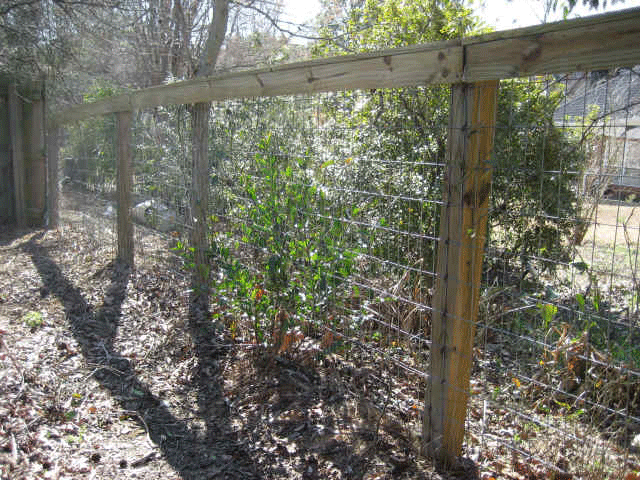
No-climb woven wire fencing is the recommended choice for horse properties where rail fencing alone isn’t enough, or where smaller animals like goats, sheep, or dogs share the pasture with the horses. The tight mesh prevents hooves and heads from getting caught and reduces injury risk. We pair woven wire with wood or metal posts depending on span requirements and terrain, and it’s a common addition behind horse rail fencing for extra security.

Chain Link for Agricultural Enclosures

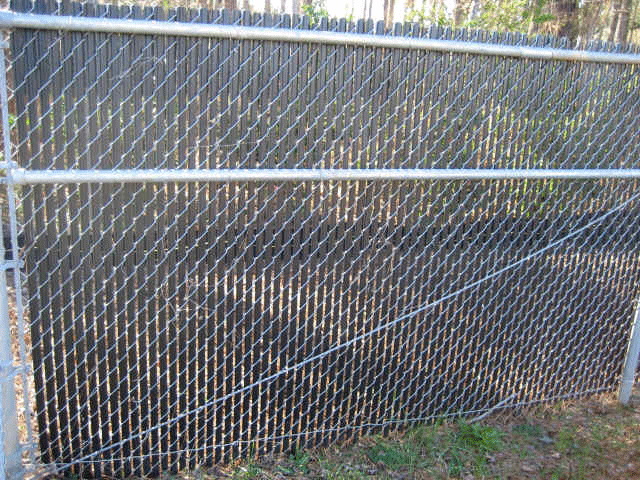
Chain link fencing is a versatile option for smaller rural properties, dog runs, and areas requiring higher-security containment. It’s particularly common for kennel areas, garden enclosures, and small livestock pens where a tighter mesh is needed than standard woven wire provides.


Working on Rural and Agricultural Land in the Augusta Region

Farm fencing is a different kind of project than residential fence installation. The terrain is often uneven, the spans are long, and the fence has to work under conditions that a backyard fence never faces — livestock pressure, overgrown vegetation, wet soil conditions, and years of use with minimal maintenance. Here’s how we approach agricultural fence projects in the CSRA:

  • Site assessment — we walk the property before quoting to understand terrain grade, soil conditions, and any drainage issues that affect post depth and spacing
  • Material recommendations — we match the fence type to the specific animals being contained, the acreage being enclosed, and your budget for both installation and long-term upkeep
  • Post setting — agricultural posts are typically set deeper than residential posts to handle livestock pressure and soil conditions on larger properties
  • Gate placement — we plan gate locations for operational efficiency, whether that’s moving livestock between pastures, vehicle access for equipment, or standard entry points
  • Long runs on uneven terrain — we handle grade changes, contoured fence lines, and corner bracing that keeps the fence under proper tension across long spans

Farm & Ranch Fencing for Horse Properties in Augusta, GA

Horse properties in and around Augusta have specific fencing requirements that go beyond basic containment. A horse fence needs to be visible to the animal, strong enough to resist pressure, and free of protrusions that can cause injury. The most common horse fence configurations we install in the CSRA include:

  • Two-, three-, four-, or five-rail horse fencing, typically 3 to 5.5 feet tall depending on the horses, property layout, and containment needs

  • Horse rail fencing with no-climb wire backing for properties where foal containment or smaller animals sharing the pasture is a concern

  • Round-pen and paddock fencing using heavy-duty post-and-rail or pipe-panel configurations for high-use horse work areas

  • Perimeter fence with gated entry lanes for multi-pasture horse operations

We understand the safety expectations and practical demands of horse properties and approach every equestrian fence project with that in mind.

Do I Need a Permit for a Farm Fence in Augusta, GA?

Permit requirements for agricultural and farm fencing in the Augusta area depend on the property’s zoning classification. Properties zoned for agricultural use often have different requirements than residentially zoned large-lot properties. We do a significant amount of work in both Columbia County — covering Evans, Martinez, and Grovetown — and Richmond County, and both have specific ordinances that govern fence placement near roads and property lines. We’ll review the applicable rules for your specific parcel before we begin and make sure your installation is code-compliant.

Serving Augusta and the Surrounding Region for Farm Fence Installation

Our farm and ranch fencing work spans a broad area across the CSRA and surrounding counties, including Martinez, Evans, Grovetown, Harlem, Appling, Hephzibah, Thomson, Waynesboro, Dearing, Washington, Aiken, SC, and North Augusta, SC.

Ready to Get Started?

If you have acreage in or around Augusta and need a fence that holds up in Georgia’s climate and under the specific demands of your property, we’d like to hear from you. Request a free farm fence estimate from East Georgia Fence and we’ll come out to your property, walk the terrain, and give you an honest recommendation on the right fence type, post spacing, and material for your situation. We build fences that work — on residential lots, commercial properties, and rural acreage alike.

Frequently Asked Questions: Farm & Ranch Fencing in Augusta, GA

The most popular horse fence option in the CSRA is horse rail fencing — usually a two-, three-, four-, or five-rail configuration with pressure-treated posts. For properties where foal safety or smaller animals are a concern, we add a no-climb woven wire backing inside the rail fence for an extra layer of protection. We assess your specific livestock and layout before recommending a configuration.

For cattle operations in the Augusta area, high-tensile wire fencing (typically 2×4 wire or cattle wire) or barbed wire is usually the most cost-effective solution for large acreage. Both hold up well under pressure when properly installed with adequate post depth and corner bracing. For smaller enclosures or areas where cattle interact closely with people, a heavier rail or pipe-panel fence is a safer option.

Farm fence cost varies significantly based on fence type, total linear footage, terrain, and post spacing requirements. Split rail and barbed wire are generally the most economical options per linear foot. Horse rail fencing and no-climb wire configurations run higher due to material and labor. For an accurate number, request a free on-site estimate and we’ll walk your property and provide a written quote.

Yes. Split rail fencing is one of our most common rural fence installs in the Augusta region. It’s popular for property line marking, driveway entrances, and pastoral aesthetics on larger lots. We can add woven wire backing if you need containment for smaller animals.

Yes. We handle fence installation on grades and uneven terrain regularly across the Augusta and CSRA region. For step-down terrain, we step the fence in sections. For gradual slopes, we rack the fence to follow the grade. We assess your terrain during the free estimate and plan the installation accordingly.

Yes. We handle farm fence repair, including post replacement, wire retensioning, board replacement, and gate rehinging. If your existing farm fence is partially failing, we’ll assess whether targeted repair or a phased replacement makes more sense for your budget.

Yes. We offer fence financing options for agricultural fence projects, which helps when you’re fencing larger acreage and want to do it right without absorbing the full cost upfront. Ask about current financing terms when you contact us for your estimate.

Visit our contact page or call us directly. We’ll schedule a time to come out to your property, walk the acreage, and give you a written estimate based on your specific terrain, fence type, and scope. No pressure, no obligation — just a clear picture of what your project will take.