Fence Staining Augusta, GA
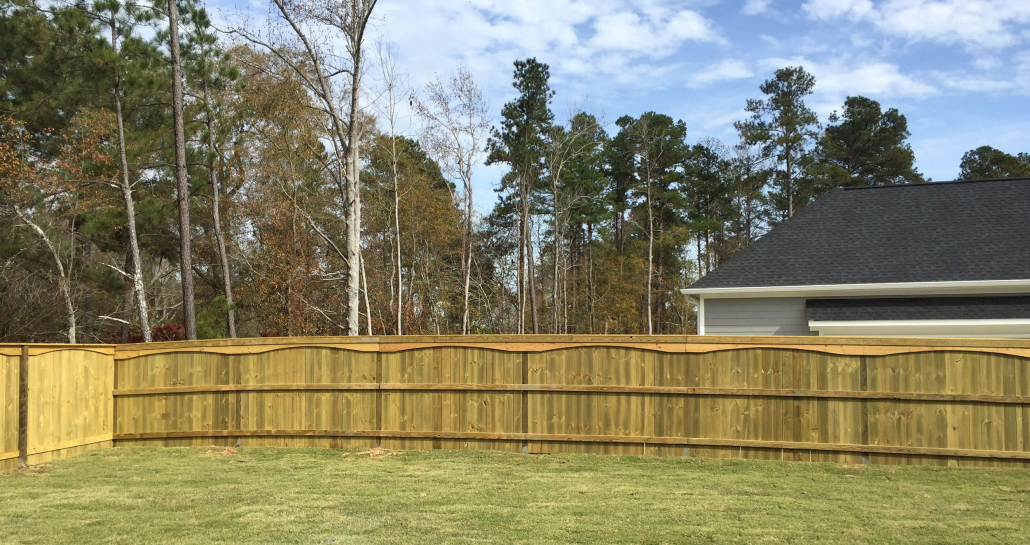
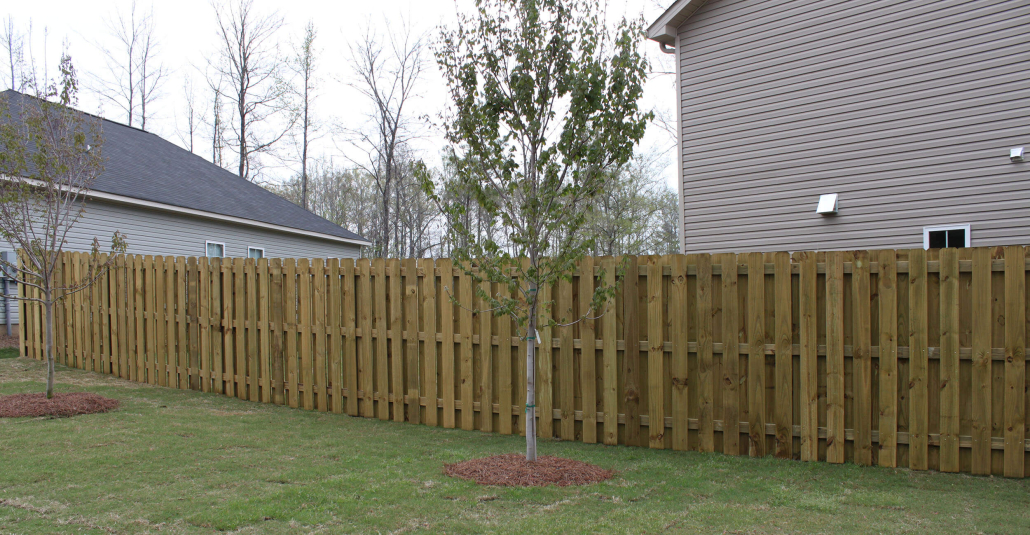
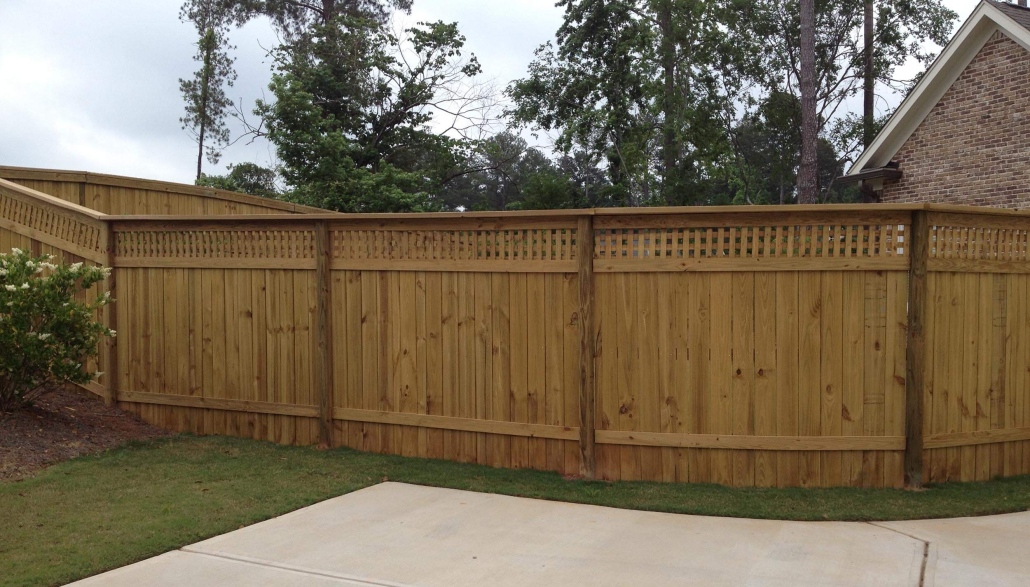
EGF has experts that specialize in wood fence staining and use a stain product that is second to none!


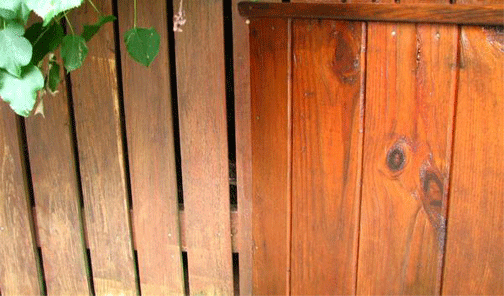
Staining your fence not only beautifies it, but protects it against UV rays, which lead to the discoloring of the fence. An added benefit of staining your wooden fence is to lower the moisture levels in the wood. By doing so, warping and splintering will be greatly reduced.
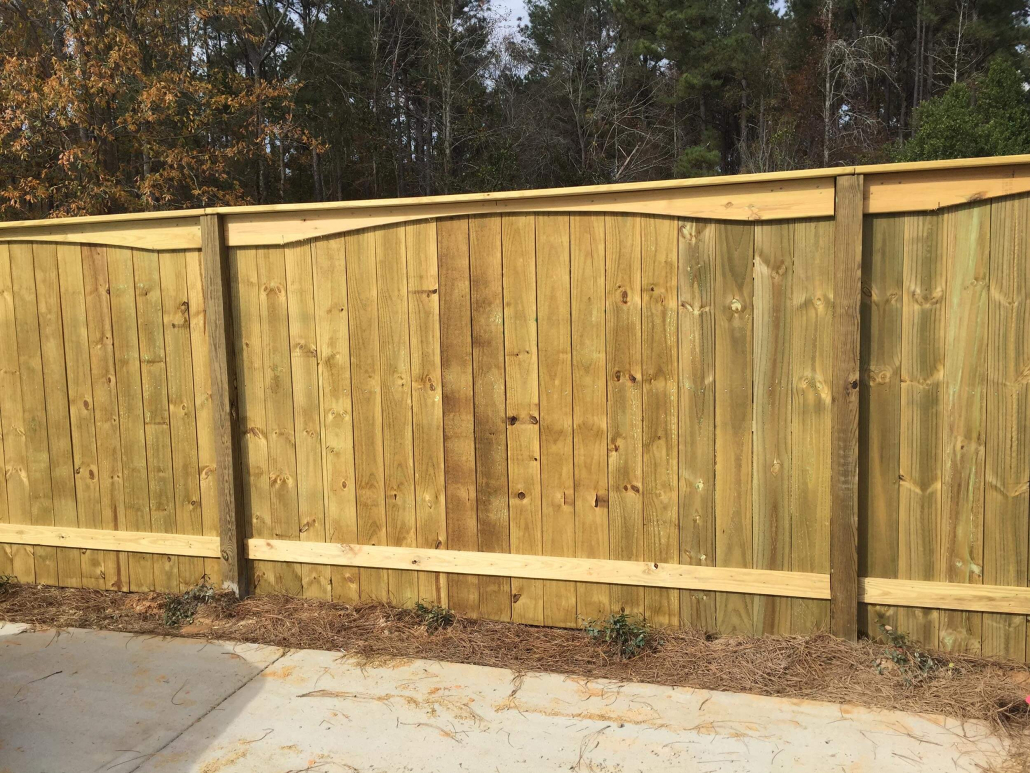
For older, preinstalled fences, a fresh staining will revitalize your current grayish wooden fence to almost new. Please get in touch with our wood fence staining experts when you’re ready for a Free Quote.
A wood fence is one of the most cost effective ways to secure your property. However, unlike the more expensive types of fences, PVC or ornamental steel and aluminum, wood fences do not have a protective coating and so it will fade out and lose its color unless protected. Our stain permeates through the wood and with paint shavings in the stain that provide a tint it protects the wood from UV rays and offers a realistic color that keeps the fence looking new for years to come. For more info about our staining process get in touch for a Free Quote.
We offer two different types of oil-based stain. They are transparent and semi-transparent. These stains soak through the wood and not only protect the outside, but actually permeate throughout and protect your fence more thoroughly.
Transparent stain as minimal tint and will act as a glossing agent to keep a new fence looking new and offers a 2 year warranty and will typically last 3 years before reapplication is necessary.
Semi-transparent stain is made with more paint shavings and will provide more color or tint. This better protects your fence from UV rays and carries a 4 year warranty. This stain will typically last 6 years before reapplication is necessary.
We also offer an acrylic water-based stain that is required in communities such as River Island and Riverwood Plantation. This stain more similar to paint and carries a 2 year warranty. This stain typically needs to be reapplied after 3 years.

Choose EGF if you want a fencing contractor that gets it right the first time. EGF has been staining fences in the greater Augusta area, including Evans, Grovetown, and Martinez, for over 25 years. We have a robust gallery of our work and many testimonials from happy customers over the years. Work with the fencing experts at EGF and get the fence of your dreams, on-time and on-budget.
Why should I stain my wood fence?
A wood fence is one of the most cost-effective ways to secure your property, but unlike vinyl or ornamental steel and aluminum, it has no factory protective coating. Left bare, it fades and loses its color. Staining helps protect against the UV rays that discolor the wood and lowers the moisture level inside it, which substantially reduces warping and splintering.
What kind of stain do you use?
We provide two oil-based stains — transparent and semi-transparent — and an acrylic water-based stain. The oil-based products soak through the wood instead of sitting on the surface, so they protect the board throughout instead of just the outside face. Our stain carries paint shavings that provide a tint, which is what shields the wood from UV and gives it a realistic color that stands up for years.
What’s the difference between transparent and semi-transparent stain?
Transparent stain has very little tint and works mainly as a glossing finish that helps a new fence retain its fresh appearance. Semi-transparent contains more paint shavings, so it delivers more color and noticeably better UV protection. If your goal is long-term protection instead of a light finish, semi-transparent is the stronger option.
Do you offer a warranty on fence staining?
Yes. Transparent oil-based stain carries a 2-year warranty and usually lasts about 3 years before reapplication is needed. Semi-transparent carries a 4-year warranty and usually lasts about 6 years. Our acrylic water-based stain carries a 2-year warranty and usually needs reapplication after about 3 years.
My neighborhood requires a specific type of stain — can you match it?
Yes. Some communities, including River Island and Riverwood Plantation, require an acrylic water-based stain instead of an oil-based product. We provide that stain specifically for those neighborhoods. If your HOA specifies a product or a color, bring us the requirement, and we will work within it.
How soon after installation should a new wood fence be stained?
We suggest staining a new wood fence shortly after installation. Pressure-treated pine performs better than untreated wood, but it still starts absorbing moisture and taking UV damage from the first day. Getting the stain on early is what keeps the fence looking new instead of trying to recover it later.
Can you stain an older fence that’s already turned gray?
Yes, and it is one of the jobs we find most satisfying we do. A fresh staining will revitalize a grayed wooden fence to nearly new. As long as the wood is structurally sound — no widespread rot or failing posts — staining an older fence is a fraction of the cost of replacing it.
How often should I re-stain my fence in Georgia?
The timing depends on the product you choose and how much direct sunlight the fence receives. As a general guide, plan on roughly every 3 years for transparent or acrylic water-based stain and roughly every 6 years for semi-transparent. Fences with full southern exposure tend to need attention sooner than shaded runs.
Do you stain both sides of the fence?
We will discuss that with you during the estimate. Staining both sides gives the most complete protection, though property line access and your neighbor’s preferences sometimes affect what’s practical. We will tell you what is practical on your specific fence line and price it accordingly.
What time of year is best for staining a fence in the CSRA?
Spring and fall usually provide the best conditions — moderate temperatures and lower humidity mean the stain penetrates and cures properly. Staining works in summer too, but it needs dry weather on both sides of the application, which can be unpredictable during Georgia’s afternoon storm season.
Can you stain a fence you didn’t install?
Yes. Much of our staining work is on existing fences built by someone else. We will assess the condition of the wood first and let you know whether it is a good candidate or whether repairs should come first.
Does staining help with warping and splintering?
It does. By lowering the moisture level in the wood, staining greatly reduces the swelling-and-drying cycle that causes boards to warp, cup, and splinter. That is a meaningful benefit in a climate that swings between heavy humidity and hot, dry stretches.
Do vinyl or ornamental fences need staining?
No. Vinyl and ornamental steel and aluminum come with their own protective finishes and do not need to be stained or sealed. Staining is specifically a wood fence service.
What if my fence needs repairs before staining?
We will tell you before we quote the stain. If a few boards or posts need attention, our fence repair crew can handle it first so you are not putting a fresh finish on wood that is about to fail. If the fence is too far gone, we will be straight with you about fence replacement instead.
How do I get a free fence staining quote?
Contact us through our contact page or give us a call. We will come inspect the fence, recommend the appropriate stain for your situation and your neighborhood’s requirements, and provide a written estimate with no obligation.


© 2026 East Georgia Fence