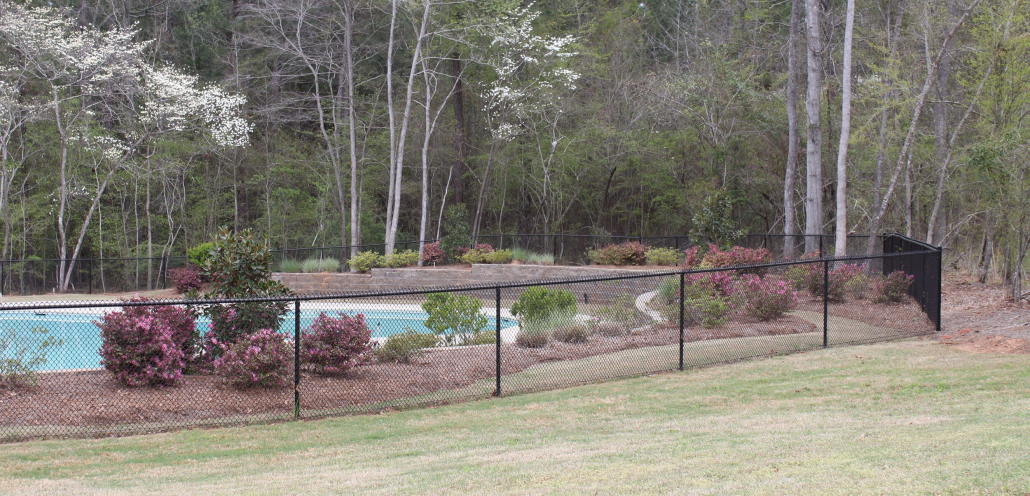
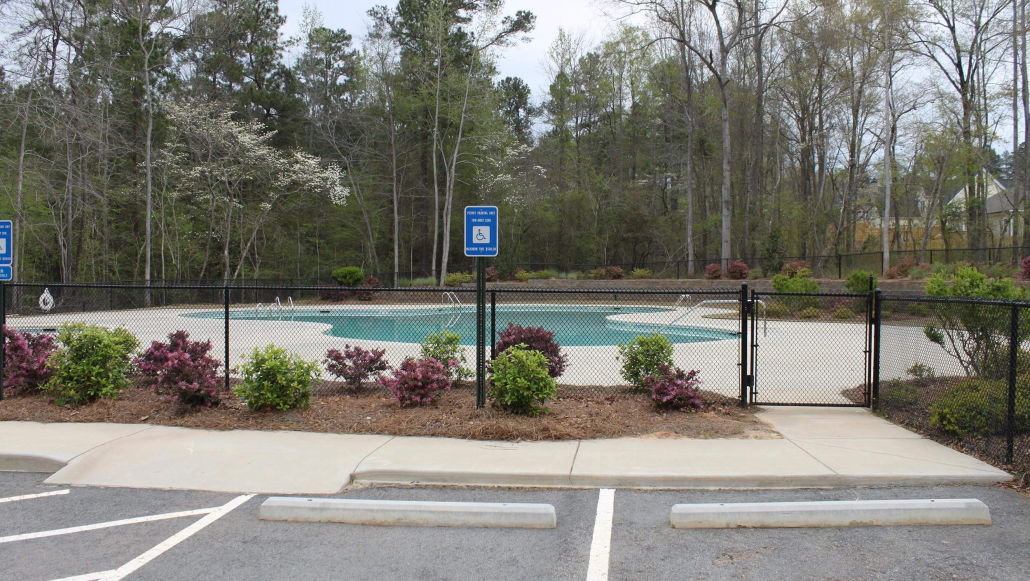
Pool Fencing Augusta, GA
Our Fencing Experts will help you choose the right pool fence for your property.


Safe, beautiful, and compliant is what you’re looking for in a new pool fencing. EGF will make sure you are meeting your community’s safety & pool code guidelines when selecting the fence to surround your pool. Our Augusta fencing professionals will assist you in all aspects of purchasing your pool fence.
Our fence experts will guide you through all safety requirements, including picket and rail spacing and pool code gate hardware with self-closing hinges and child safety latches, and assure that all pool fencing will be installed in accordance with your local HOA and building code requirements.
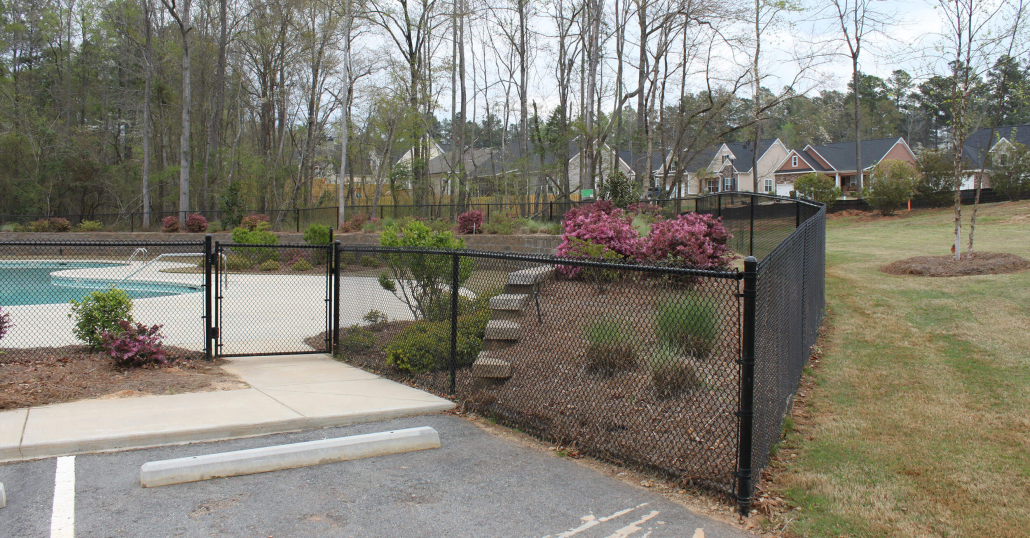
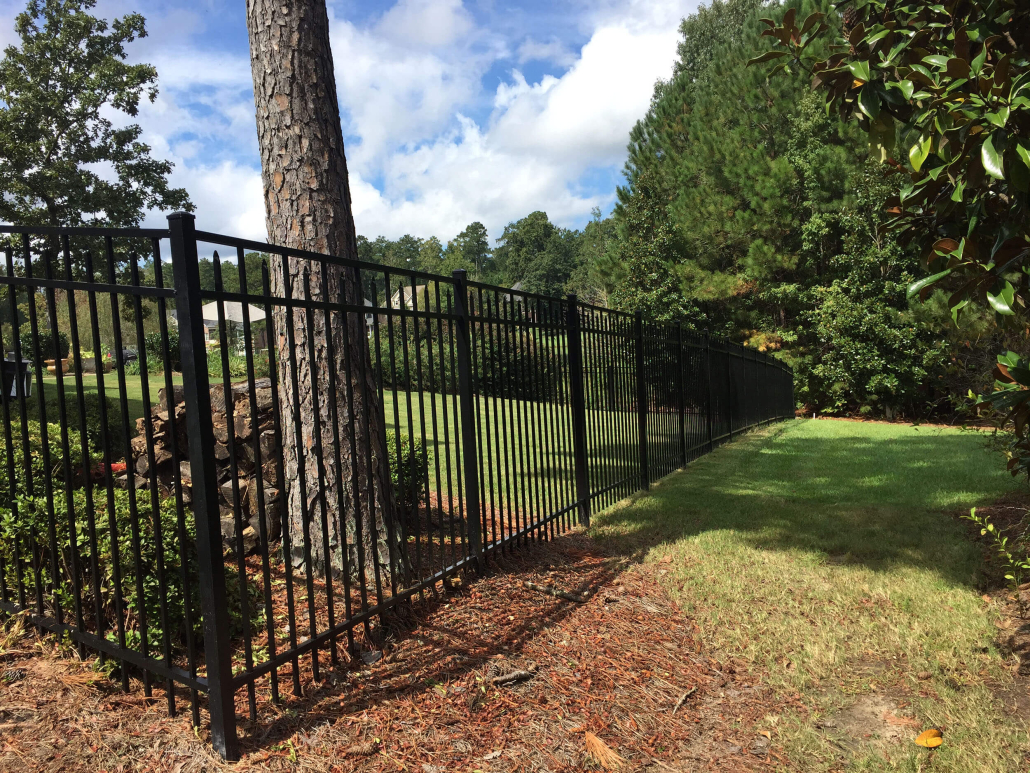
Decorative ornamental fencing is the most popular option for pools and comes in many attractive styles that will surely enhance your outdoor area. Let EGF help you with our expertise in pool fencing so you can relax and enjoy your pool with friends and family.

Choose EGF if you want a fencing contractor that gets it right the first time. EGF has been installing pool fencing in the greater Augusta area, including Evans, Grovetown, and Martinez, for over 25 years. We have a robust gallery of our work and many testimonials from happy customers over the years. Work with the fencing experts at EGF and get the fence of your dreams, on-time and on-budget.
Does East Georgia Fence install pool fences in Augusta, GA?
Do I need a fence around my pool in Georgia?
In nearly all cases, yes. Georgia’s state minimum standard codes adopt the International Residential Code, which requires a barrier completely surrounding a residential pool. Both Columbia County and Richmond County enforce those requirements, and a permit and final barrier inspection are typically part of the process. If you’re putting in a pool, the fence isn’t an optional upgrade — it’s part of getting your project approved.
How tall does a pool fence have to be in Georgia?
The state minimum is 48 inches, measured from finished grade on the side of the barrier facing away from the pool. Some local jurisdictions and HOAs require more than the minimum, so we confirm the requirement for your specific address before we quote. We’ll also check grade along the run, because a fence that measures correctly at one point can fall short where the ground drops away.
What are the gate requirements for a pool fence?
Pool gates have to be self-closing and self-latching, and they’re required to swing outward, away from the pool area. The latch has to be positioned so a child can’t reach it, and there are specific rules about latch height and placement depending on the gate. We install pool code gate hardware with self-closing hinges and child safety latches as a standard part of every pool fence we build.
How much space can there be between pickets or under the fence?
Openings in the barrier can’t allow a 4-inch sphere to pass through, which governs picket spacing, rail spacing, and chain link mesh size. Ground clearance underneath the fence is limited as well. This is one of the most common reasons a fence that looks fine fails inspection — spacing that’s perfectly acceptable on a standard backyard fence is often too wide for a pool barrier.
What is the best type of fence for a pool?
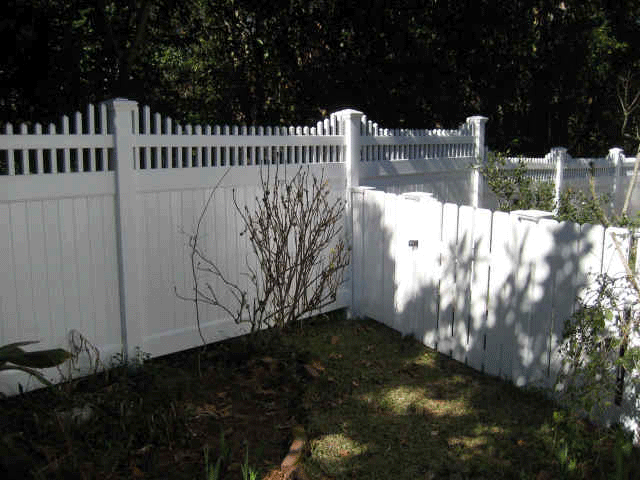
Decorative ornamental fencing is the most popular option for pools and comes in many attractive styles. It meets code spacing requirements, doesn’t rot or need refinishing around water, and it keeps sightlines open so you can see the pool from the house. Aluminum, vinyl, and chain link are also used for pool enclosures depending on your budget and the look you’re after.
Can my existing backyard fence serve as the pool barrier?
Sometimes. If your perimeter fence already meets the height, spacing, ground clearance, and gate hardware requirements, it may qualify as the barrier without adding a separate enclosure. More often, an existing fence falls short on one detail — a gate without a self-closing hinge, a gap under a section, or picket spacing that’s too wide. We’ll walk the existing fence and tell you honestly whether it qualifies or what would need to change.
Can a wood privacy fence be used around a pool?
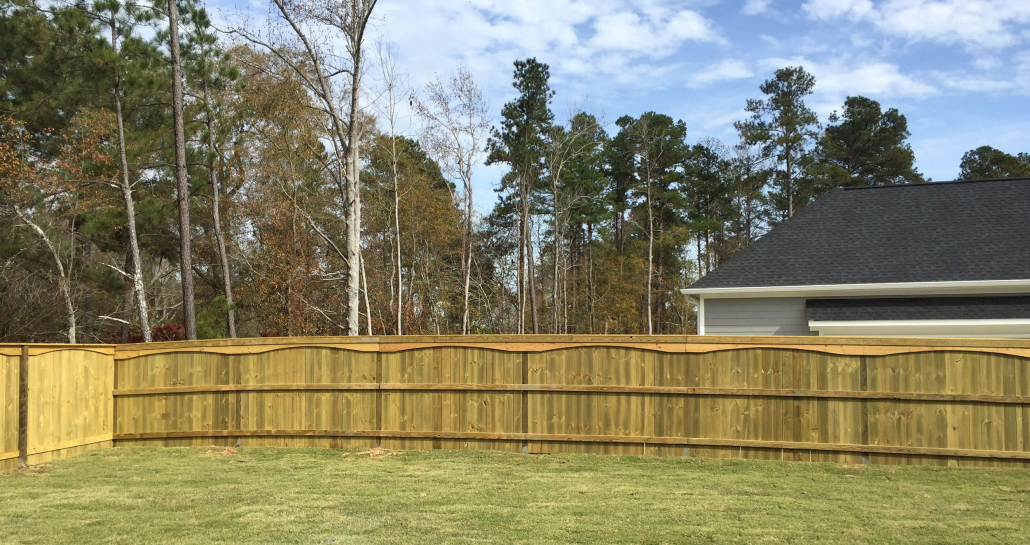
It can, provided it meets the barrier requirements. Wood and privacy fencing give you full screening, which some homeowners want around a pool. The things to watch are ground clearance at the bottom and gate hardware. Wood also takes more of a beating near a pool from splash, humidity, and chemicals, so staining matters more here than almost anywhere else on a property.
Do you install pool fencing for apartment complexes and community pools?
Yes. Commercial and community pools carry their own requirements, and access control at the gate can involve more than a self-latching hardware set depending on the facility. We install pool enclosures for apartment communities, HOAs, and other commercial properties throughout Columbia County and Richmond County.
Will my HOA have its own pool fence rules?
Very likely. Many Evans, Martinez, and Grovetown neighborhoods have guidelines covering fence style, color, and height that sit on top of the county code. We make sure your pool fencing is installed in accordance with both your local HOA and building code requirements, and it’s worth getting written HOA approval before installation begins.
Do I need a permit for a pool fence in Columbia County or Richmond County?
In most cases, yes — pool barriers generally require a permit and a final inspection before the pool can be used. Requirements vary between Columbia County and Richmond County. We stay current on local codes and guide you through the permitting process as part of the project.
Can you make my pool fence anti-climb?
Yes, and it’s worth thinking about. Barriers are supposed to be free of handholds and footholds a child could use to climb. With chain link, that means tighter mesh; with ornamental, it means panel styles without a horizontal rail positioned where a child could step on it. We’ll steer you toward a style that meets the intent of the code, not just the letter of it.
How long does pool fence installation take?
Most residential pool enclosures go in within one to two days once permitting is squared away. Timing often depends more on the permit and inspection schedule than on the installation itself, so it’s smart to start the fence conversation early rather than after the pool is finished.
Do you repair pool fences?
Yes. Fence repair around pools most often means gate hardware that’s stopped self-closing or self-latching, which is both a code issue and a safety one. We also handle storm damage, post repairs, and panel replacement. If a gate isn’t latching on its own, get it fixed rather than working around it with a chain or a padlock.
How do I get a free pool fence estimate?
Reach out through our contact page or give us a call. We’ll come out, measure the pool area, walk you through the safety requirements and style options, and give you a written estimate with no obligation. We also offer fence financing if that helps the project move forward.


© 2026 East Georgia Fence