Wood Fences Augusta, GA
Classic wood, especially for privacy fencing needs never goes out of style.


When property owners are considering adding a privacy fence, wood fences are always considered first. A wooden fence not only increases the privacy, security, and value of your home, but wood fencing will add a level of beauty and curb appeal you must see to believe.
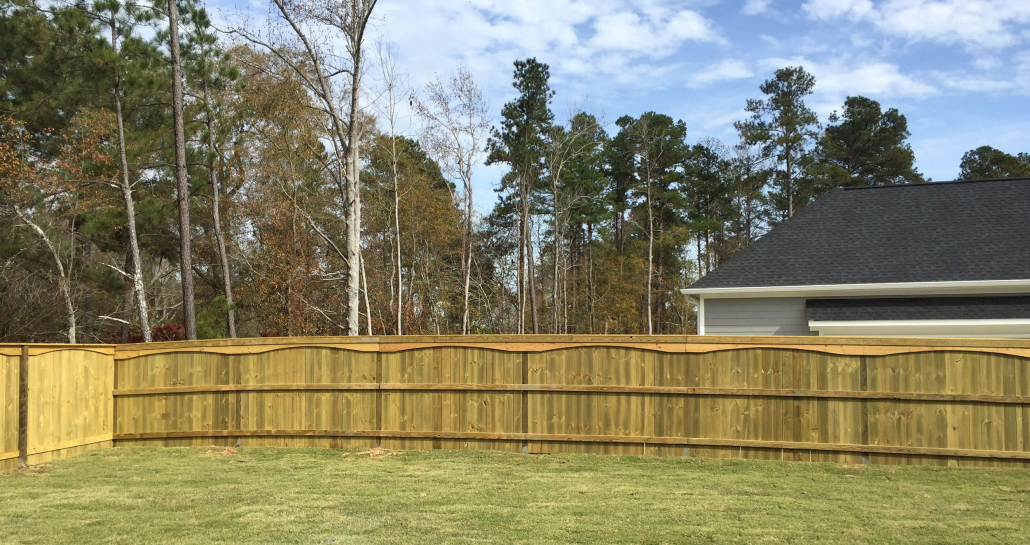
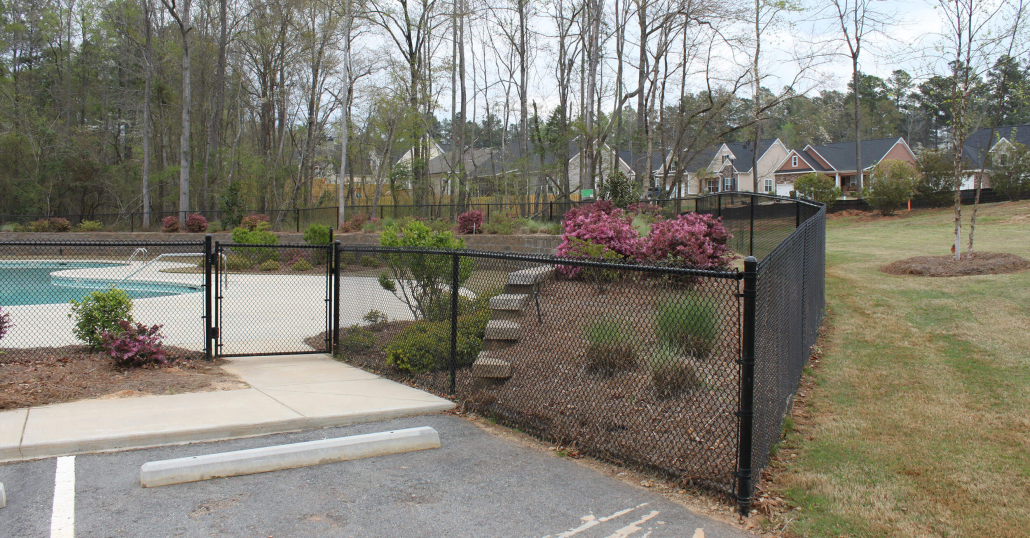
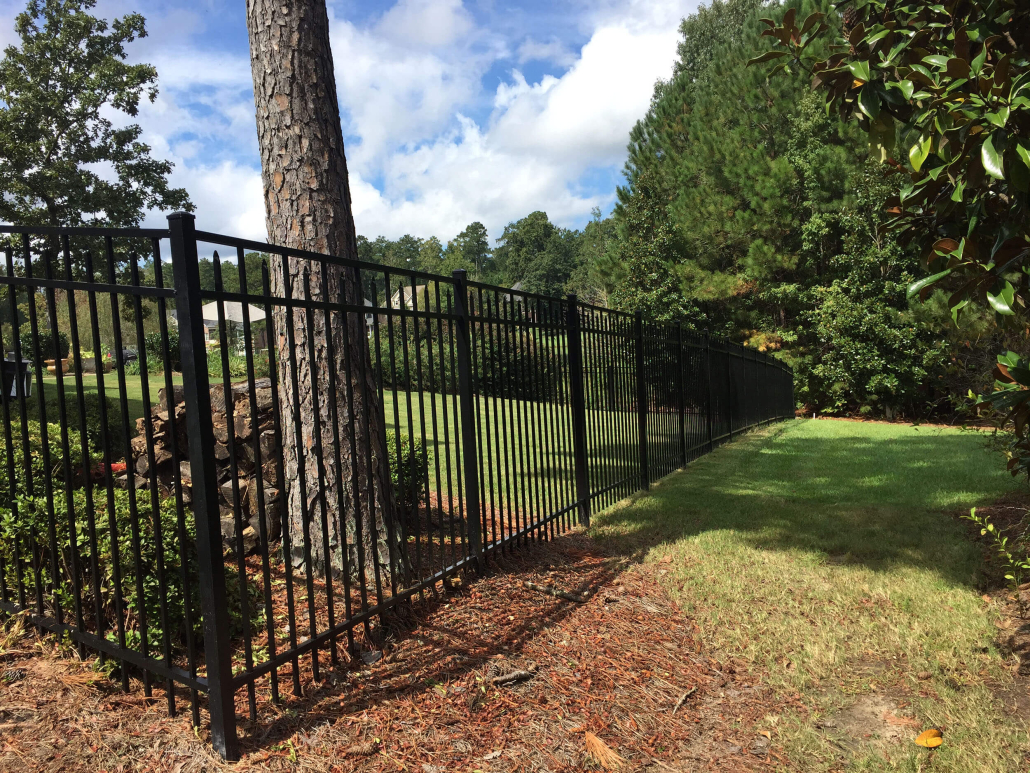
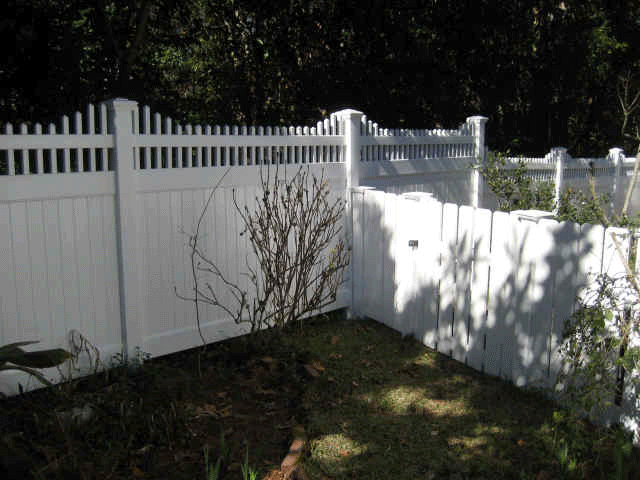
The fencing professionals at EGF will walk you through all your wood fencing options including types of wood, size, time to install, pricing and more. Please peruse our wood fence installations below and let us know when you’re ready to schedule your Free Quote.

Choose EGF if you want a fencing contractor that gets it right the first time. EGF has been installing wood fencing in the greater Augusta area, including Evans, Grovetown, and Martinez, for over 25 years. We have a robust gallery of our work and many testimonials from happy customers over the years. Work with the fencing experts at EGF and get the fence of your dreams, on-time and on-budget.
What kind of wood do you use?
We use pressure-treated wood on all of our fence jobs unless a customer specifically requests cedar or cypress. Pressure-treated pine is the right default for this climate — it resists rot and insects, handles Georgia’s heat and humidity, and gives you the best combination of durability and cost. If you specifically want a different wood such as cedar or cypress, we’ll work with you on that, but pressure-treated is what we build with unless you ask otherwise.
What styles of wood fence do you build?
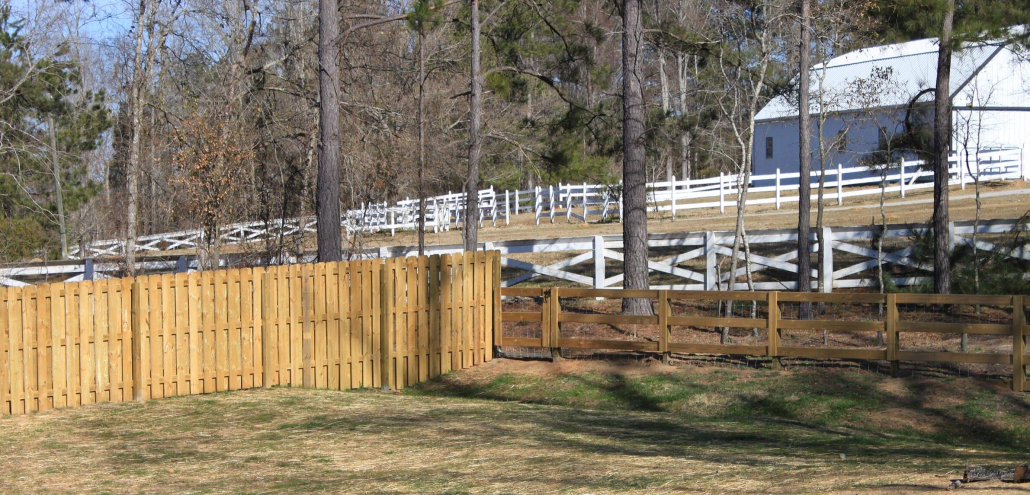
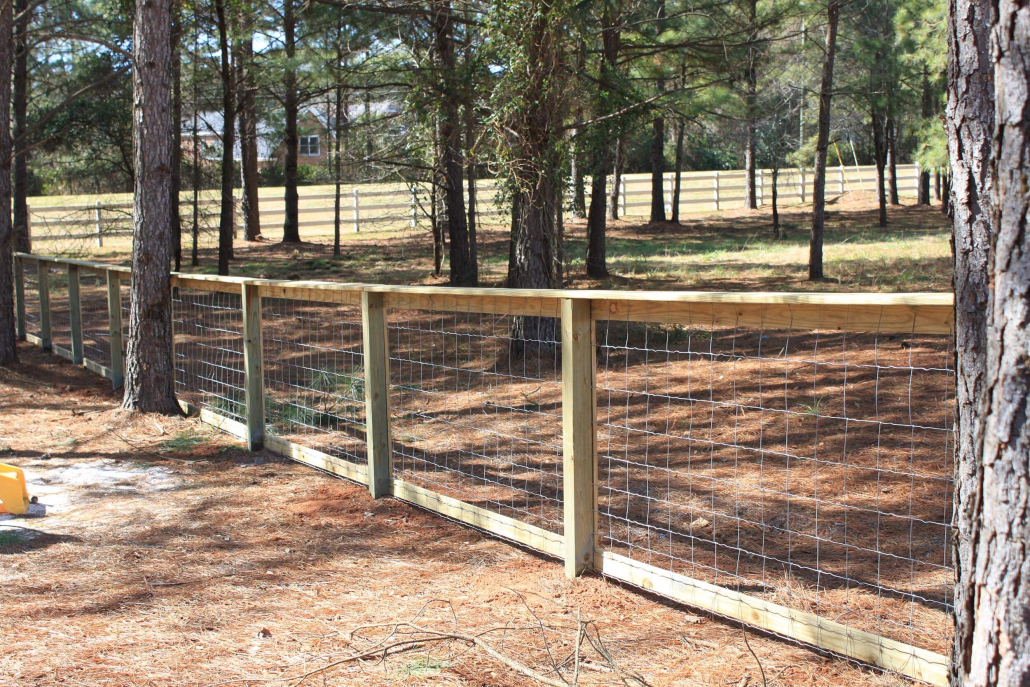
We install privacy fences, shadowbox, stockade, board-on-board, picket, horizontal, and split rail. Which one is right depends on whether you’re after full privacy, a defined boundary, curb appeal, or something in between — and we’ll walk you through all your options, including pricing, before you decide.
What’s the difference between stockade, shadowbox, and board-on-board?
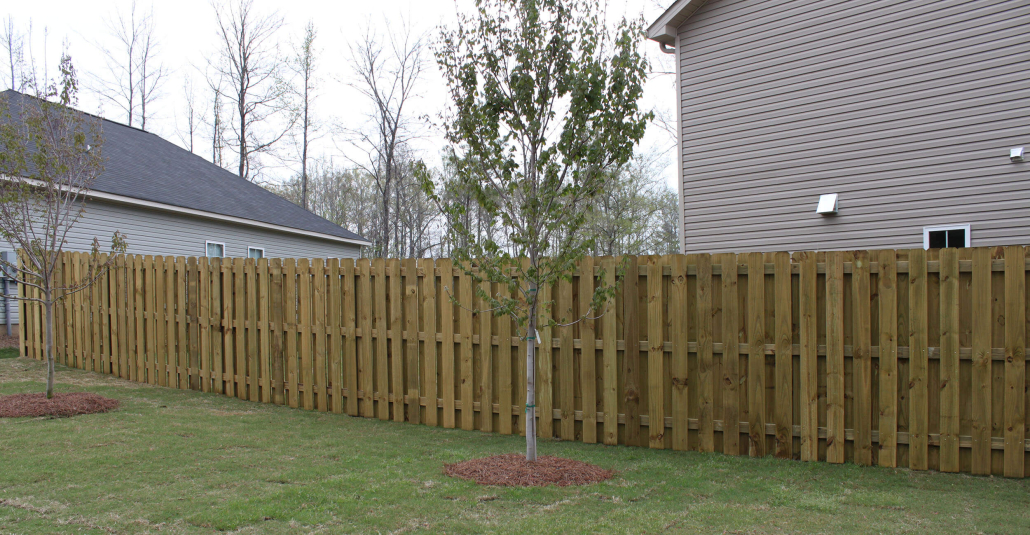
Stockade has boards placed tightly together with no gaps, so it gives you complete privacy from both sides — typically with a dog-ear or flat top. Shadowbox alternates boards on either side of a center rail, leaving small gaps that allow airflow and better wind resistance while looking finished from both sides. Board-on-board layers overlapping pickets so the boards cover the gaps between them, giving a more solid, visually substantial panel than shadowbox. If total privacy is the goal, stockade or board-on-board; if you want privacy that still breathes and looks good from your neighbor’s side, shadowbox.
How tall can my wood fence be?
Six feet is the standard for backyard privacy fencing in this area. Front yard fences are generally held to a lower height and, in many jurisdictions, have to be non-opaque. Columbia County and Richmond County each have their own rules, and HOA guidelines often add another layer. We confirm what applies to your property before we build.
How deep do you set fence posts?
Every post we set goes in concrete — roughly 60 pounds per hole on a wood fence. Post setting is the part of the job that determines whether your fence is still standing straight in ten years, and it’s the first place a cheap installation cuts corners. It’s also why a fence that starts leaning usually can’t be fixed by tightening boards.
How long does a wood fence last in Georgia?
A properly installed pressure-treated fence will typically give you 15 to 20 years or more here, and staining extends that meaningfully. What shortens a wood fence’s life in this climate is moisture — ground contact at the posts, vegetation growing against the boards, and UV exposure breaking down unprotected wood.
Do I need to stain my wood fence?
We strongly recommend it. Unlike vinyl or ornamental, wood has no factory protective coating, so left bare it fades and loses its color. Staining protects against UV damage and lowers the moisture level in the wood, which greatly reduces warping and splintering. We have a dedicated staining division and can schedule your staining once the wood has had time to dry out.
How soon after installation should a new fence be stained?
Not immediately — pressure-treated pine needs time to dry out before it will accept stain, typically 3 to 6 months after installation. Staining too early means the stain sits on the surface instead of penetrating the wood, so you get far less protection than you paid for. Once the wood is ready, our staining team will apply the right product for Georgia’s climate and any requirements your community has.
How often does a wood fence need maintenance?
Beyond re-staining on schedule, the routine is simple: keep vegetation trimmed back from the base so the wood isn’t sitting against damp growth, and do a walk-around each spring looking for loose boards, wobbling posts, and gate hardware that’s worked itself loose. Catching a loose post early is far cheaper than dealing with a leaning section later.
Will my HOA approve a wood fence?
Usually, but many Evans, Martinez, and Grovetown neighborhoods specify style, height, which side the finished face has to point, and sometimes stain color. Get approval in writing before installation begins, and we’ll help you pick a style that satisfies the guidelines.
Do I need a permit for a wood fence?
In many cases, yes. Columbia County generally requires a Land Use Permit for new fence installations, and Richmond County has its own requirements. Rules differ for front versus back yards and for height and opacity. We stay current on local codes and guide you through the permit application as part of the project.
Can a wood fence be built on a sloped yard?
Yes. On grade changes we either step the fence down in sections or rack the panels to follow the slope, depending on the style and how steep the run is. Sloped lots are common in parts of the CSRA, and we plan for grade during the estimate rather than discovering it on install day.
Can you repair a wood fence instead of replacing it?
Often, yes. If the damage is limited to boards, a rail, or one or two posts, fence repair is the better value. Once widespread rot or post failure sets in across more than about a third of the fence, replacement usually costs less over time than repeated patching. We’ll give you an honest read either way.
Can I add a gate to my wood fence?
Yes. Our steel gate frames are welded rather than wood-framed, so they won’t warp, twist, or sag over time, and we hang them from 6×6 posts instead of 4×4. Gates are the part of a fence that moves, which is why they’re the first thing to fail on a poorly built job. See our fence gates page for more.
How do I get a free wood fence estimate?
Visit our contact page or give us a call. We’ll walk your property, talk through wood types, styles, height, and pricing, and give you a written estimate with no obligation. Fence financing is available if it helps your project move forward.


© 2026 East Georgia Fence